


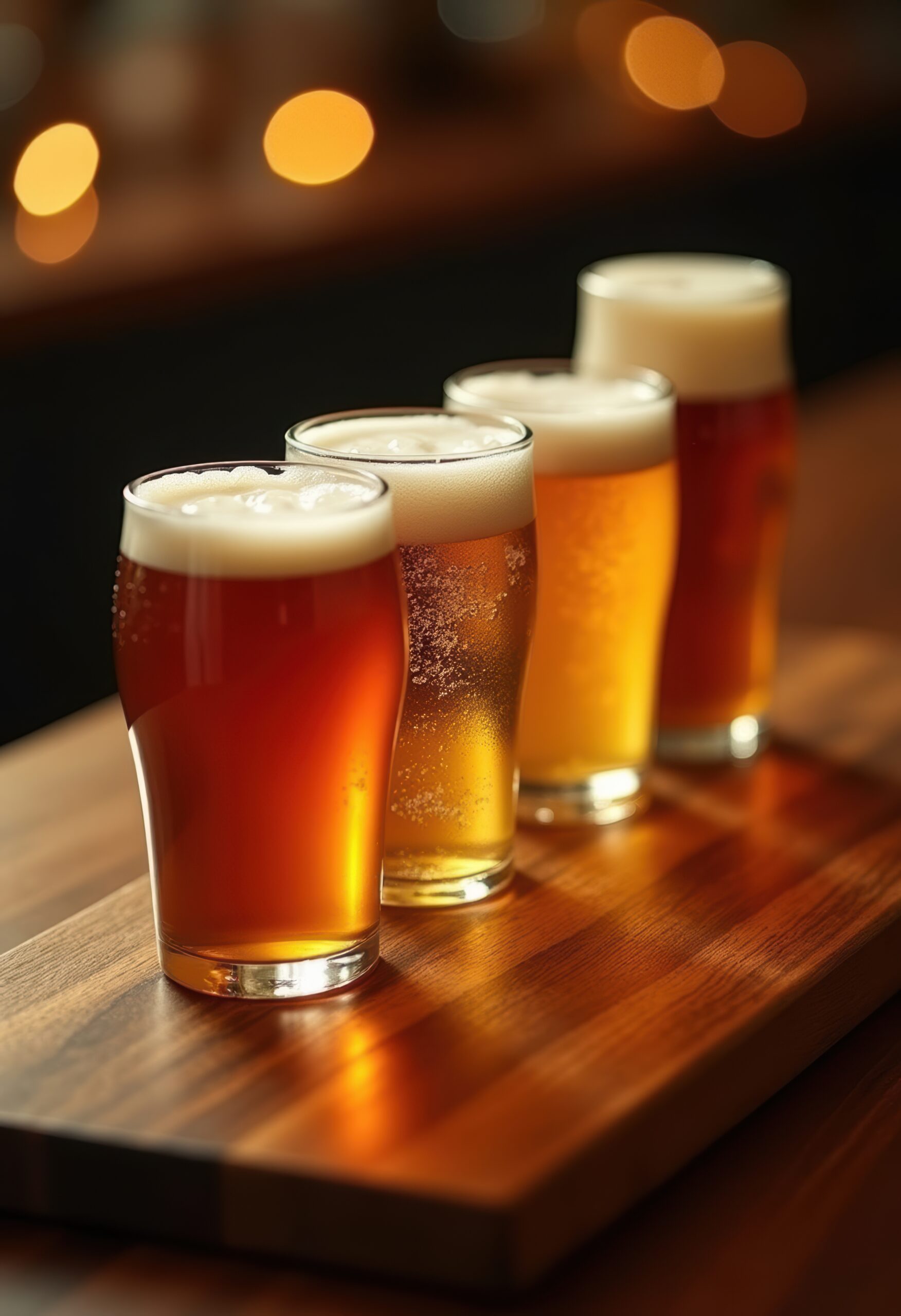
Lots of research is conducted worldwide on a variety of subjects, but I found a great one – if beer was consumed instead of water in the 1500’s just how drunk were the people living at that time? Research was conducted in Trinty College Dublin to find out.
Research was conducted to determine the calorie content and alcohol level of beer in the 16th century at Trinity College Dublin. The project took 5 years to complete and was completed through a grant from the European Research Council funding a wider project called Food-Cult.
Beer was a big part of medieval life with people drinking beer because water was suspect and could make people sick. Drinking to quench one’s thirst was distinguished from drinking to just get drunk, but just how drunk were medieval people? Other researchers have determined through records of large households that 5 to 7 pints of beer were consumed each day by household staff, the occupants of the house, and any outside laborers. One theory was that ale and beer were very weak in alcohol content.
To determine the alcoholic strength of the beer the research team recreated a beer from Dublin Castle, the home of Lord Deputy William Fitzwilliam who kept detailed records from 1570 to 1590 of brewing, the supplies used, and the volumes created by each brewing cycle. The Castle was a major military installation with 100 staff and numerous visitors each year. Records show that strong ale and ordinary ale were brewed, with ordinary ale consumed by the working class and Strong ale consumed by the Lord and visitors.
The records were used to determine the recipe for the beer. Accounts showed that oat malt and barley malt were in equal amounts per brewing cycle. The high content of the oat malt would impact the flavor and mouth feel of this beer. The researcher had no luck sourcing an heirloom oat variety that could have been grown in 16th century Ireland so flaked oats were used. The barley came from Orkney, Scotland Agronomy Institute that had preserved and grown an heirloom variety of barley. This is an ancient variety but still might not be the variety used to make beer at Dublin Castle.
There are records of hop purchases but not specifically the variety. Some records stated that the hops were Flemish in origin. The researchers looked for old hop varieties that were imported and then grown in England. The Flemish hop Tolhurst was brought to England to be grown in 1882 but is no longer grown commercially. The UK National Hop Collection grows this hop, and it took three years to harvest enough hops to replicate the brewing of the sale of Dublin Castle.
Yeast was the last ingredient needed. Genome sequencing and Molecular Archeology were used to trace yeast genealogy back to a strain that has origins in Britain and Ireland. This yeast was used to brew Dublin Castle Ale.
In the preparation for brewing this beer, all techniques for preparing the malt, drying the hops, and preparing the yeast all mimicked the equipment and steps from historical documents on brewing.
The research team knew the amount of grains, hops, and yeast used from the records, but there was still unknown how much water was used, how long the ale was boiled, and what level of evaporation occurred during the boiling. Three batches of Dublin Castle Ale were produced. The sale was honey colored, slightly bitter with noticeable hop flavor and was hazy. The use of oats increases the protein content of beer and can cause haze. The sale was analyzed and found to be 5 to 5.3% ABV. This is similar to modern ale and beer alcohol levels and contains 260 calories – not a light beer.
The research showed that the beer could be replicated using the best available materials and historic techniques; the ale was higher in alcohol than expected and contained more calories than expected. If 5 to 7 pints of this beer were consumed each day, mild inebriation would occur.
This research proved that our ancestors were fairly drunk most days as a result of the beer they consumed instead of water. A very interesting research project.